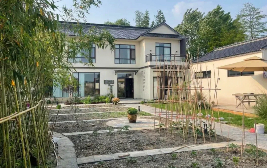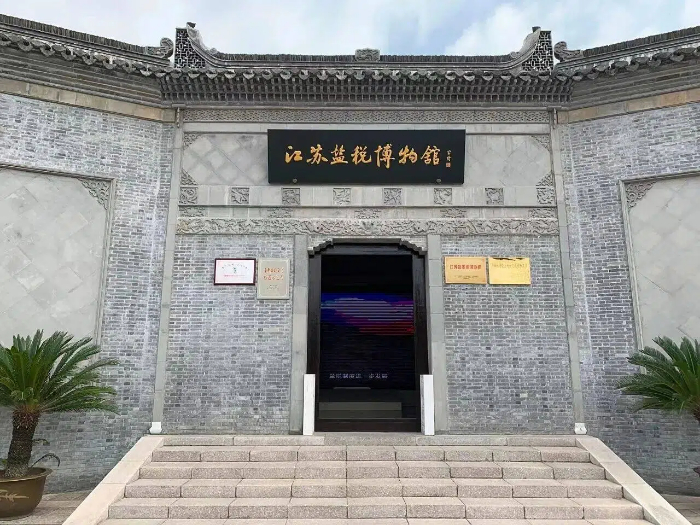
The Jiangsu Salt Taxation Museum. [Photo/WeChat account: tzfabu]
The Jiangsu Salt Taxation Museum, located in Taizhou, Jiangsu province, is the only exhibition hall in China themed on salt taxation culture. It reveals the evolution of taxation in China, a major agricultural country, tracing the shift from agricultural taxes to salt taxes and eventually to industrial and commercial taxes.
Salt tax revenue has long held an important position in the national fiscal revenue. As early as the Spring and Autumn period to the Warring States period (770-221BC), the salt monopoly system was implemented.
Taizhou has been an important production area for sea salt since ancient times, with a long history of salt taxes.
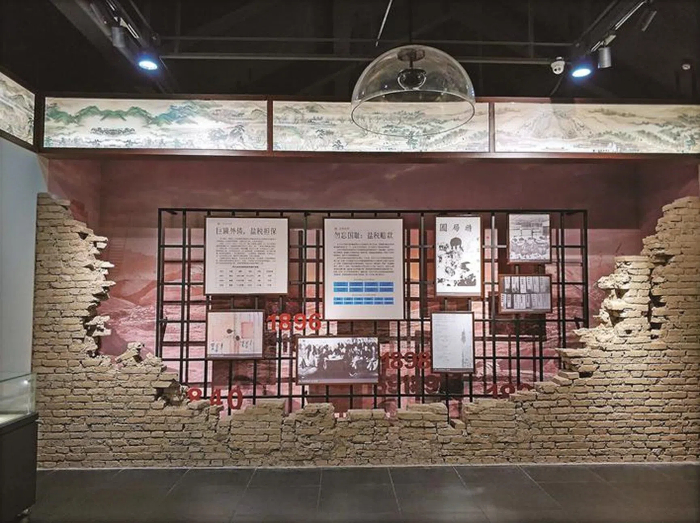
The historical of salt tax is presented in the museum. [Photo/Taizhou Daily]
Upon entering the main exhibition hall, visitors are guided through themes exploring the origins, reforms, contributions, and the connection of the salt tax to Jiangsu.
Among more than 2,000 cultural relics and historical materials, a copper seal is eye-catching. "It is a precious official tax seal of the government from the Northern Song Dynasty (960-1127), which has been passed down to this day. It is a direct witness to the salt, tea, and wine monopoly system at that time and provides empirical evidence for Taizhou as an important tax collection point at that time," said a museum guide.
By combining scene restoration with multimedia, the lives of salt merchants are also be vividly reproduced at the museum.
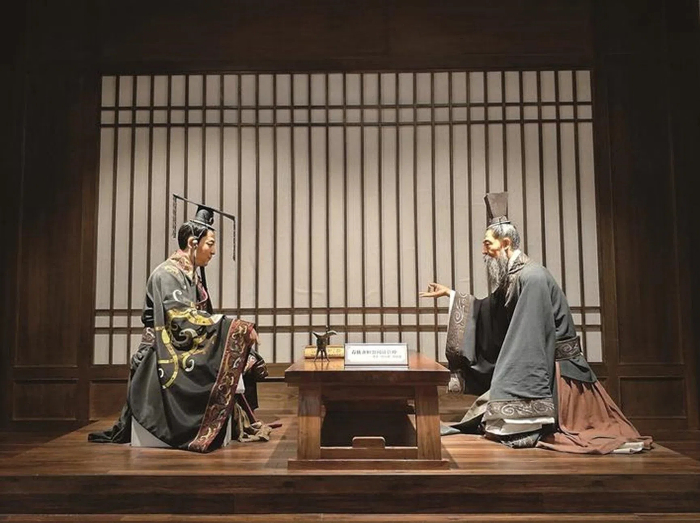
A scene that restores history in the museum. [Photo/Taizhou Daily]