4th World Laureates Forum
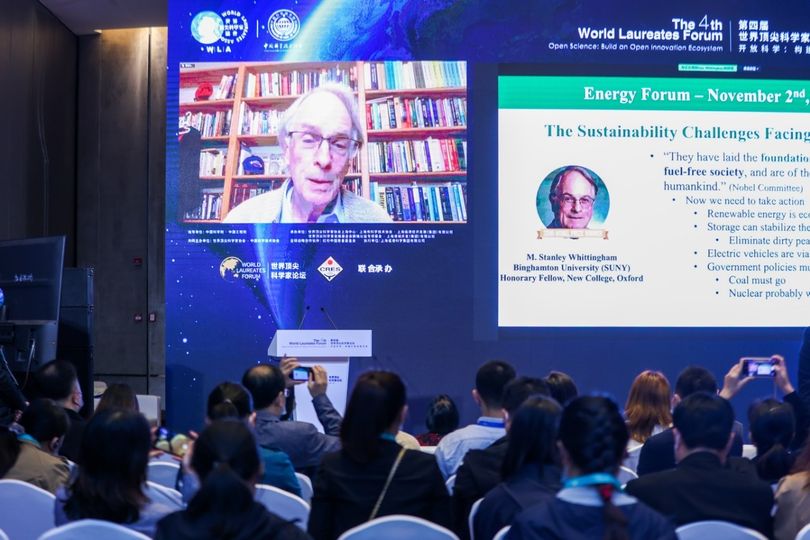
Stanley Whittingham, 2019 NobelLaureate in Chemistry, has been looking for more resilient materials for batteries with longer life spans and lower costs.
As one of the creators of the lithium-ion battery, Whittingham is partial to the economic advantages of renewable energy, which allow for the reduction of polluting energy sources like fossil fuel.
He mentioned energy storage as an alternative Li-ion batteries in the future, for clean energy such as nuclear energy and hydrogen.
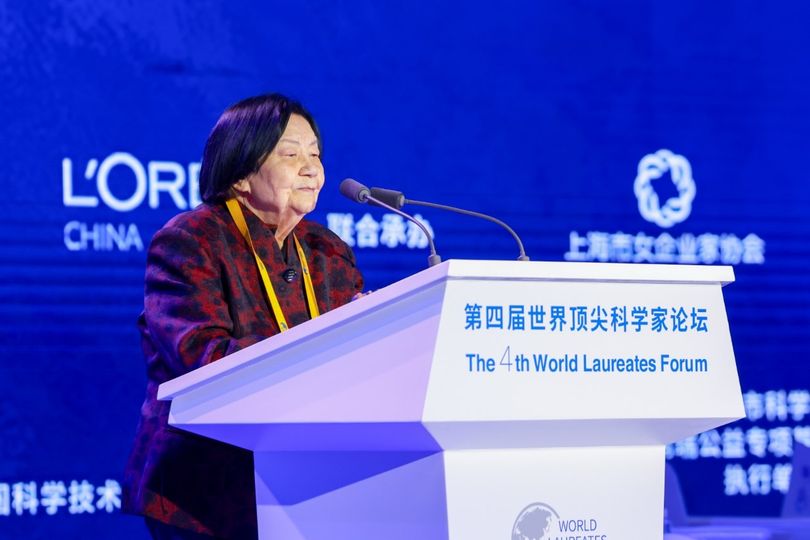
"If you want something, you have to fight for it. Not like in the sense of boxing. We do not need to harm anyone, but as women, we would like to have more chances, because we have been mistreated for a long long time." said astronomer Ye Shuhua, honorary director of the Shanghai Observatory of the CAS and member of the CAS.
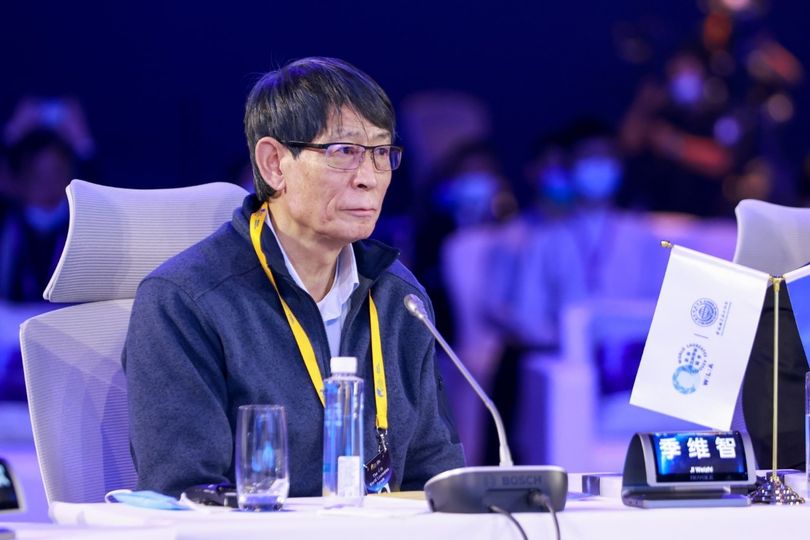
Ji Weizhi, member of the CAS and Academia Europaea, said that if we want to solve some problems related to human health, we can look to monkeys and apes to establish a human physiological model, because we are very closely related to them.
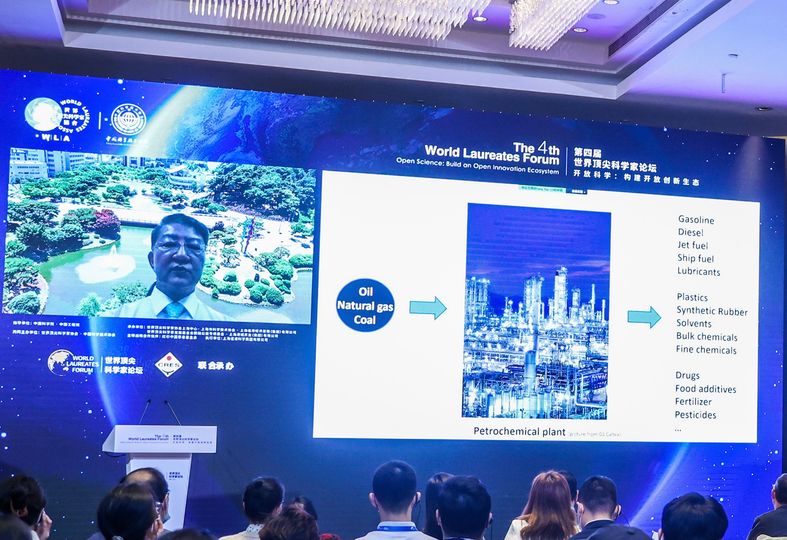
"We want to use what nature give us, such as carbon dioxide produced in animal fields, and biomass which fixes CO2, using sunshine to produce new chemicals and new energy materials in a more sustainable way," said Sang Yup Lee, laureate of the 2018 Eni Award, who has been focusing on the bio-based production of fuels, or bio-energy.
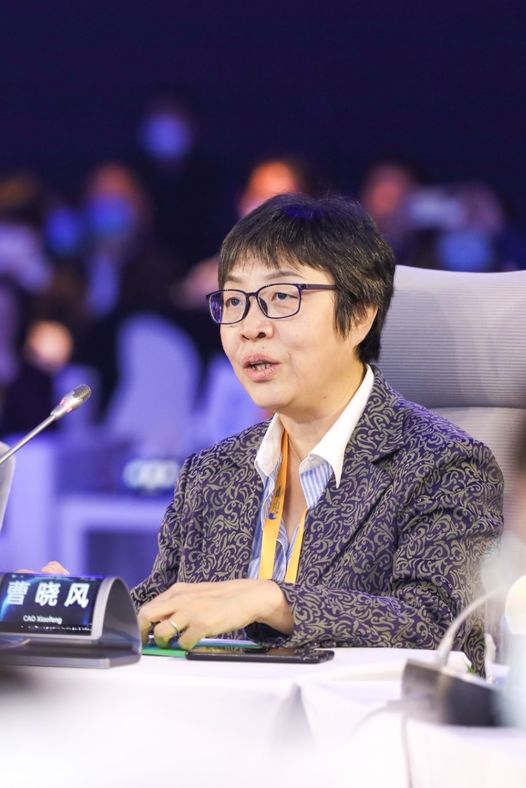
Cao Xiaofeng, a member of the CAS, foreign academician of the NAS, and vice-chairwoman of the CWAST, emphasized the importance of plants.
She said plants can provide us with nutritious food or be made into medicine like Chinese herbs. She called for scientists and chemists to work together to further explore all that plants have to offer.