Home> News
Shanghai hosts 5th China Clinical Molecular Diagnostics Conference
Updated: 2025-12-16
Shanghai recently hosted the 5th China Clinical Molecular Diagnostics Conference from November 27 to 29, 2025, marking a significant step forward in the field of precision medicine. Organized by the Clinical Molecular Diagnostics Division of the Biophysical Society of China and hosted by Huashan Hospital of Fudan University, the conference gathered leading experts from across the country to explore the latest advancements and future directions in clinical molecular diagnostics.
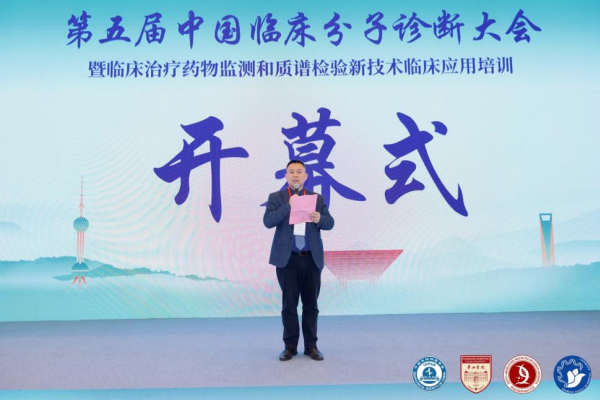
The opening ceremony, led by Professor Li Dong, vice president of Tongji Hospital Affiliated to Tongji University, featured addresses by prominent figures such as Professor Guan Ming, president of the Clinical Molecular Diagnostics Division of the Biophysical Society of China, Professor Mao Ying, president of Huashan Hospital Affiliated to Fudan University, and Wang Xiangxi, secretary-general of the Biophysical Society of China. They emphasized the pivotal role of molecular diagnostics in early disease detection and precise treatment monitoring.
Keynote presentations showcased groundbreaking research. Academician Yang Zhenglin from Sichuan Provincial People's Hospital highlighted new genetic insights into familial exudative vitreoretinopathy, including the identification of genes like JAG1. Professor Mao Ying discussed advances in visualizing metabolic molecular boundaries in gliomas, which enhance surgical precision. Professor Hu Ye from Tsinghua University introduced cutting-edge intelligent micro-nano technology for newborn screening, offering cost-effective and sensitive diagnostic solutions.
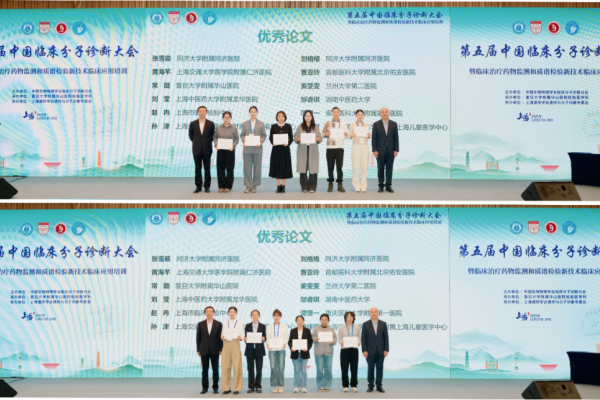
The conference also provided a platform for young researchers to present their work on diverse topics such as cancer, infections, and genetics. Outstanding contributors were recognized, highlighting the importance of fostering new talent in the field.
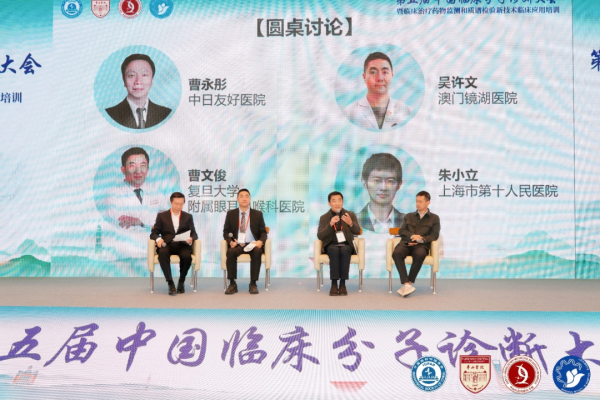
A main forum focused on bridging research and clinical practice, showcasing the application of molecular diagnostics in complex medical cases and underscoring the need for multidisciplinary collaboration. Experts shared insights into the real-world impact of these technologies on patient care.
Three thematic forums delved into key areas: Genetic Diseases and Prenatal Diagnosis, Precision Oncology, and Infectious Disease Diagnostics. The discussions ranged from the transition of genetic discoveries to clinical applications, the integration of advanced technologies like single-cell and multi-omics approaches. The infectious disease forum addressed challenges such as pathogen identification and antibiotic resistance, emphasizing rapid detection and quality control.
In addition to scientific discussions, the conference explored the integration of artificial intelligence in molecular diagnostics, highlighting its transformative potential. Discussions on smart laboratories showcased innovations aimed at improving efficiency and reducing costs.
The conference successfully created a comprehensive platform for exchanging knowledge, from foundational research to clinical applications and industrial innovations. It underscored the importance of collaboration and innovation in advancing precision medicine, contributing to the broader goal of a healthier China. As the event concluded, participants were encouraged to continue their efforts in advancing molecular diagnostics, leveraging technological advancements to enhance healthcare outcomes and contributing to the vision of "Healthy China."