



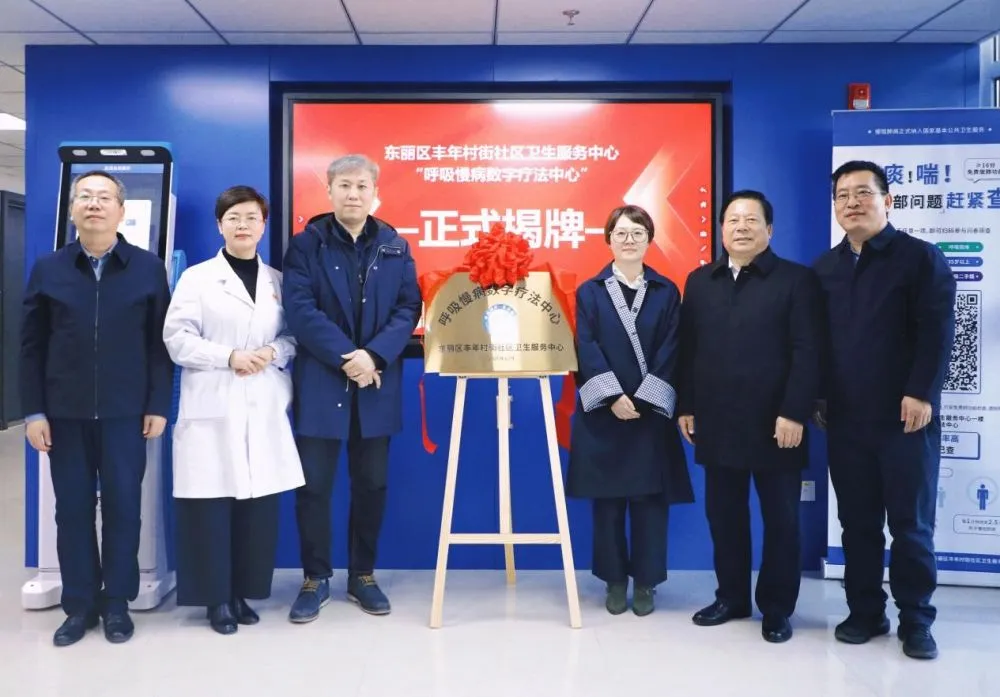
The unveiling ceremony of the digital therapy center for chronic respiratory diseases at Fengniancun Subdistrict Community Health Service Center is held in Dongli district, Tianjin, on Dec 9. [Photo/WeChat ID: tianjindongli001]
A digital therapy center for chronic respiratory diseases has opened at the Fengniancun Subdistrict Community Health Service Center in Tianjin's Dongli district, on Dec 9, marking a major step forward in strengthening primary healthcare through digital innovation.
The center serves as an important pilot for the family doctor contracted services under a per-capita bundled payment reform. By integrating digital therapeutics with continuous health management, it explores a new model of chronic disease care at the community level.
Targeting long-standing challenges in respiratory disease management — including inconsistent treatment standards, low patient adherence, and fragmented services — the center has established a full-cycle management system. Remote consultation platforms enable real-time monitoring of lung function and respiratory muscle performance, while smart devices such as medication-instruction robots and remote respiratory monitors support standardized yet personalized treatment guidance.
The center has also introduced a specialized family doctor service package for chronic obstructive pulmonary disease, embedding digital therapy into contracted services. Patients can monitor their condition at home using smart devices, receive automated medication reminders and inhalation guidance, and benefit from timely interventions by family doctor teams based on real-time data.
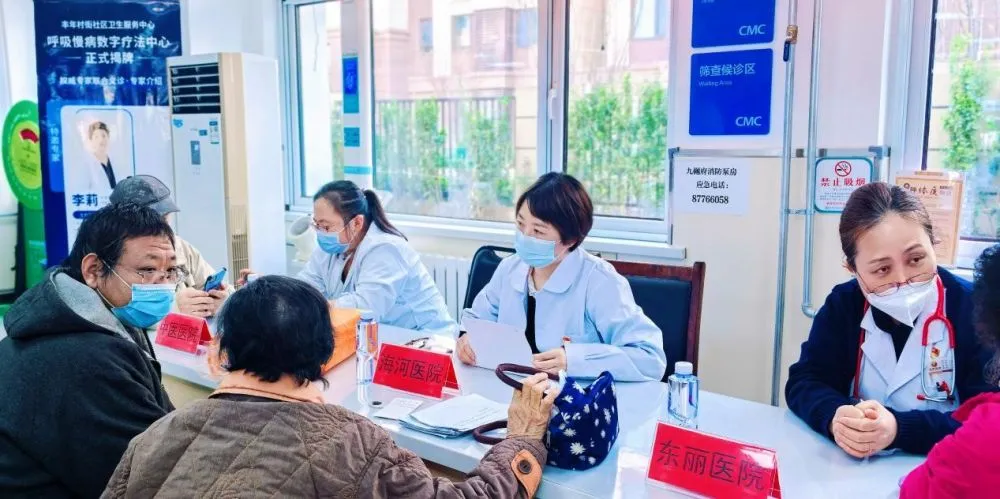
Physicians and nurses offer free consultations at the Fengniancun Subdistrict Community Health Service Center during the unveiling ceremony on Dec 9. [Photo/WeChat ID: tianjindongli001]
Looking ahead, the center plans to expand the model by introducing an incentive-based management mechanism for chronic diseases, encouraging patients to shift from passive treatment to proactive health management through sustained engagement and self-care.