Sky's limit for astronomical research center
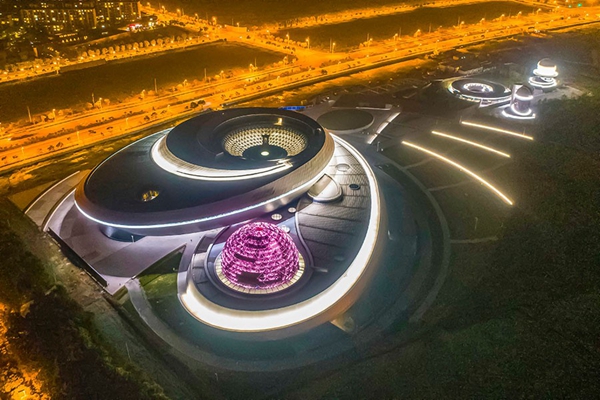
The exterior of the Shanghai Astronomy Museum [Photo provided to chinadaily.com.cn]
The Shanghai Astronomy Museum currently under construction has established an astronomical research center ahead of its grand opening in 2021.
Construction started in November 2016, and exhibition preparations are currently underway at the site in Lin-gang Special Area in Shanghai.
The museum will have the largest planetarium in the world with a gross floor area of 38,164 square meters.
The upcoming museum will serve as the second branch of the Shanghai Science and Technology Museum (the first being the natural history museum), contributing to the formation of China's first large-scale comprehensive science and technology museum cluster.
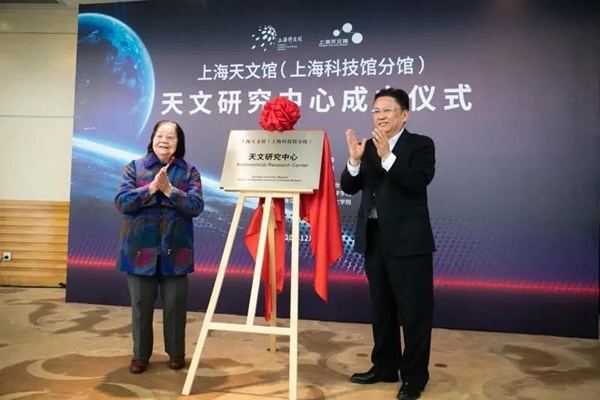
The astronomical research center opens in Lin-gang Special Area in Shanghai. [Photo/WeChat account: shlgguanweihui]
The museum will also have an astronomical research center and an expert committee, of which 93-year-old astronomer Ye Shuhua has been appointed a special adviser. Other advisors from astronomical observatories and universities in China have been hired as well.
Ye, China's first female observatory director, who led the Shanghai Astronomical Observatory from 1981 to 1993, was among a number of scientists who first proposed the construction of a planetarium in Shanghai.
"It's not enough for a planetarium to display something like the sun, earth, moon, and stars," she said. "It should be attractive to all kinds of people, inspiring and enlightening all who visit."
The planetarium will feature a main building and ancillary structures such as a solar tower, an observation base, and a public observatory.
The museum is expected to become a world-class planetarium and will offer unprecedented museum experiences backed by AI, AR, and VR technology. It will work to bring people and the universe closer together.
The astronomical research center will use the planetarium's observation apparatus, meteorite collection, and other resources to help the public appreciate the beauty of stars, astronomy, and the universe, according to Wang Xiaoming, director of the Shanghai Science and Technology Museum.
Lin Qing of the planetarium's construction headquarters said that the newly-founded center will focus on cutting-edge research and important topics in astronomy, as well as promote global scientific exchange.
"The solar tower will help us join Solar Joint Observing Programs and work with leading institutes to capture high-resolution images of the sun and detect solar activity," he said.
"A telescope with a diameter of one meter will help facilitate research on time domain astronomy, which includes asteroids, supernovas, blazers, and exo-planets.
"We plan to set up a meteorites lab, carry out research on cosmo-chemistry, and launch education projects on meteorite identification and analysis."
 In pics: Lin-gang Special Area's magnificent bridges
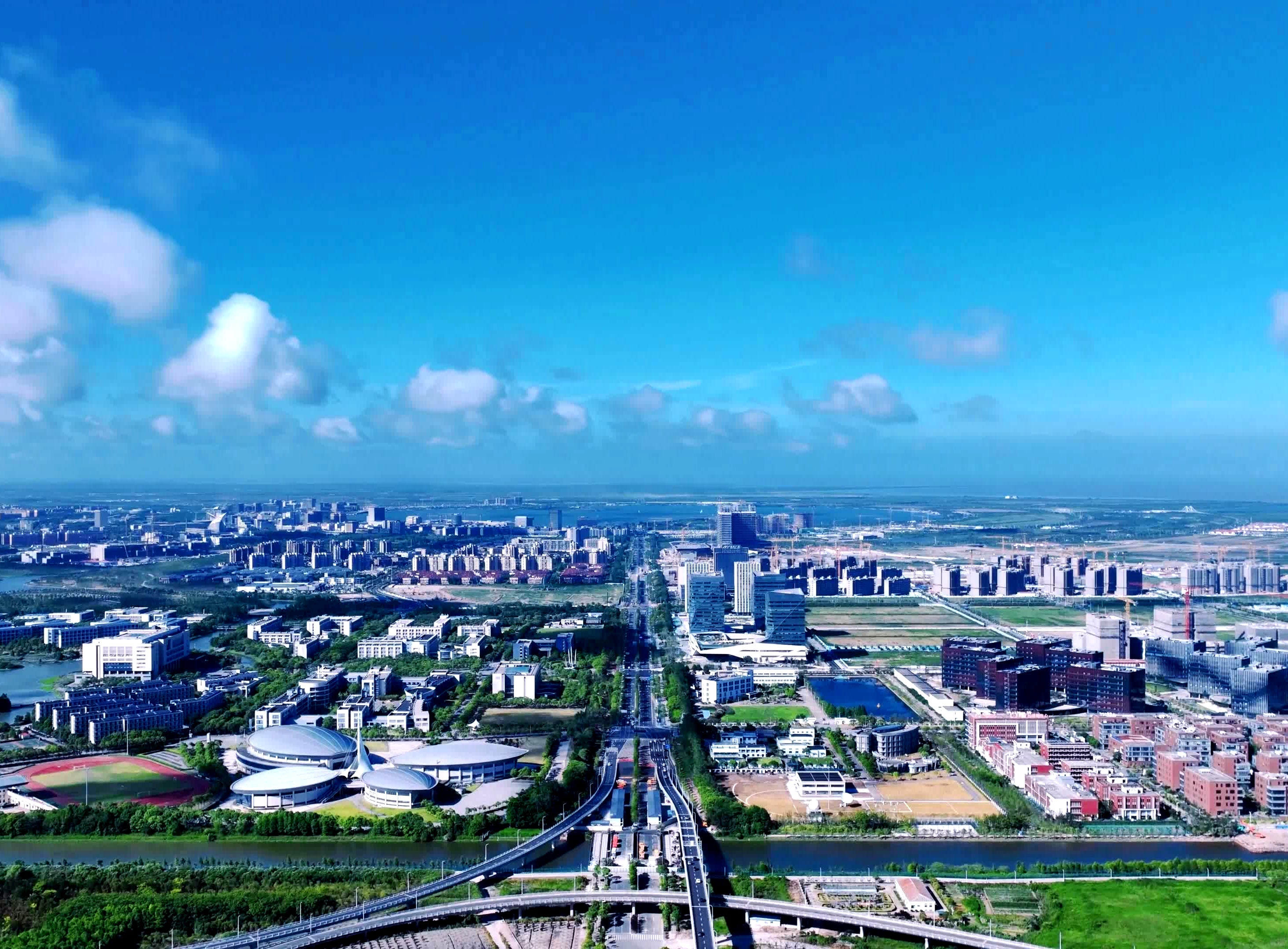 Video: Stunning aerial scenery in Lin-gang Special Area
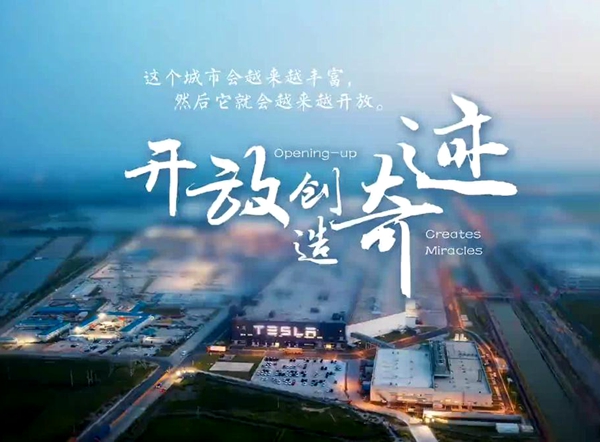 Video: Opening-up creates miracles
-
Address No 200 Shengang Avenue, Pudong New Area, Shanghai, China
-
Zip Code 201306
-
TEL +86-21-68283063
-
FAX +86-21-68283000