



Updated: 2025-12-16
In January 2026, Beijing Institute of Technology (BIT) will convene its 16th Party congress. Leading up to this event, a series of reports will highlight the university's achievements since the 15th Party congress in 2021.
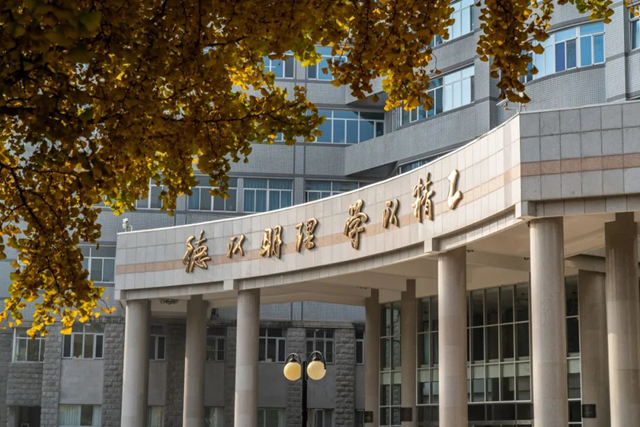
Beyond its strengths in sci-tech, Beijing Institute of Technology (BIT) is excelling in humanities and social sciences, setting new benchmarks in research, education, and international collaboration. This dynamic advancement aligns with both national strategic needs and the global push towards interdisciplinary integration.
BIT has reached a milestone by securing over 300 provincial and ministerial-level of humanities and social sciences projects. A 240 percent increase in National Social Science Fund projects further highlights BIT's leadership among China's "double first-class" universities.
BIT continues to develop high-end platforms, receiving approval for four provincial and ministerial-level social science platforms. Among these, one is included in the China Think Tank Index, and two are recognized in the China Think Tank Comprehensive Evaluation Research Project (AMI), underscoring BIT's leadership in the field.
In academic rankings, BIT's disciplines continue to excel. Management Science and Engineering maintains an A+ status in the Best Chinese Universities Ranking, while Design, Education, and Marxist Theory have advanced to the A category.
BIT strategically integrates science, engineering, and humanities, focusing on artificial intelligence and national priorities. This fosters new research models and talent cultivation in areas such as energy and climate economics, national economic mobilization, and carbon neutrality technologies. During the Beijing Winter Olympics, BIT's "zero carbon house" project exemplified successful industry-academia collaboration, earning top honors in the national student entrepreneurship competition.
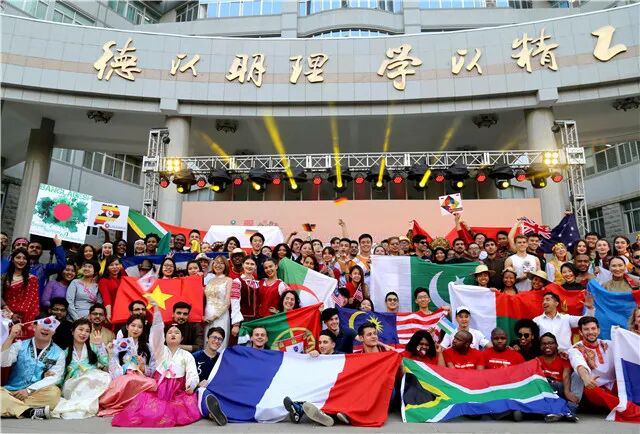
Meanwhile, the university is enhancing its international communication capabilities, contributing Chinese perspectives in global dialogues. As a member of the Global Alliance on AI for Industry and Manufacturing, BIT deepens international cooperation in AI. This is exemplified by the joint release of the AI Green Index concept with the United Nations Industrial Development Organization, aiming to drive global digital economy transformation.
Additionally, BIT is a founding council member of the Belt and Road Languages and Cultures Network and has established think tanks like the German Language and Culture Research Center and the Nigeria Research Center. In international Chinese education, the Confucius Institute at the University of Lagos in Nigeria is the largest Chinese language teaching institution in West Africa and has successfully integrated Chinese into the Lagos State education system through legislation.
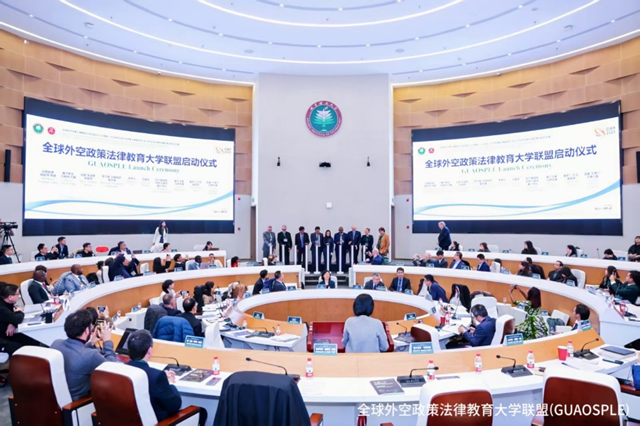
In legal studies, BIT is expanding its influence with a focus on "law + technology" and international legal studies. The university has established key platforms such as the Global University Alliance for Outer Space Policy and Law Education, contributing to global governance in emerging domains like outer space and cyberspace.
Looking ahead, BIT is committed to advancing China's modernization and enhancing its global influence through its humanities and social sciences programs. The university aims to make its humanities disciplines a fertile ground for nurturing spirit, a tool for national service, and a bridge connecting China with the world. These efforts position BIT as a pivotal player in constructing a world-class university with Chinese characteristics, contributing to national development and global cooperation.

-
Zhongguancun Campus:
No 5 Zhongguancun South Street, Haidian District, Beijing
-
Liangxiang Campus:
No 8 and 9 Yards, Liangxiang East Road, Fangshan District, Beijing
-
Xishan Campus:
No 16 Lengquan East Road, Haidian District, Beijing