 XINWU DISTRICT, WUXI
 WUXI NATIONAL HI-TECH DISTRICT
XINWU DISTRICT, WUXI 
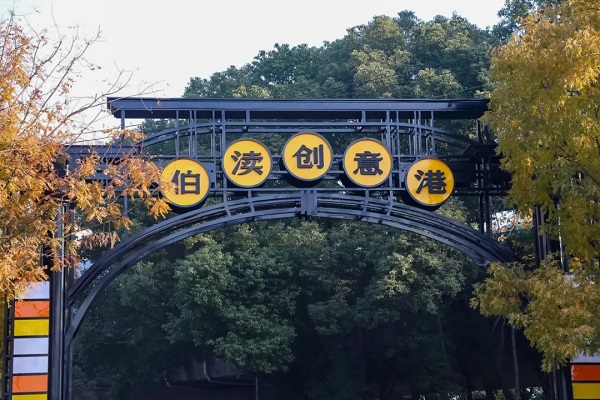
Bodu Creative Park in Wuxi National Hi-Tech District, also known as WND. [Photo/WeChat account: xinwu_wx]
Bodu Creative Park opened on Dec 7 along the banks of the Bodu River in Wuxi National Hi-Tech District, bringing together competitions, exhibitions, education, and design services.
The park, which is expected to become a new hub for culture and creativity, features three core zones: the Dashi Award Museum, Jiangnan Makers' Hub, and the Southern Yangtze University Design Communication Group.
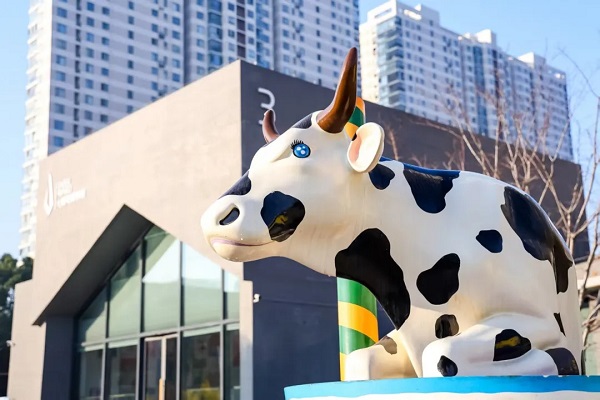
The Dashi Award Museum in the Bodu Creative Park. [Photo/WeChat account: xinwu_wx]
A major highlight is the establishment of the National Design Master Education Platform within the Dashi Award Museum. Founded in 1997 by Professor Lin Jiayang, the platform brings together top professors and industry leaders from China and abroad in an effort to cultivate future leaders in design education.
Participants in the platform include design faculty, graduate students, and designers across the country. Over the past 28 years, the program has held 125 sessions worldwide, training thousands of deans, department heads, and key educators, earning widespread acclaim for its pioneering approach.
Two cooperation agreements were signed at the opening ceremony, injecting new momentum into the cultural and creative industry. One is a generative platform applying AIGC technology to the development of cultural and creative products. The other focuses on establishing off-campus teaching bases, initiated by the Bodu Creative Park, Jiangnan University's School of Design, School of Fashion Accessory of Beijing Institute of Fashion Technology, Wuxi University of Technology, and Jilin Animation Institute.
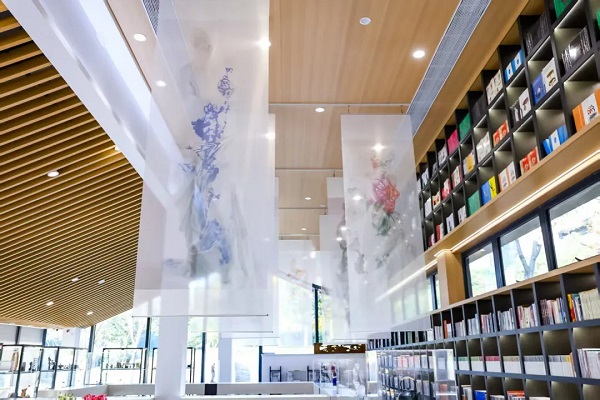
Bodu Creative Park. [Photo/WeChat account: xinwu_wx]
Following the opening ceremony, the Jiangnan Makers' Hub hosted a symposium titled "Cultural Reproduction: Modern Translation of Local Culture and Collaborative Innovation among Government, Universities, Enterprises, and Industry Groups". Scholars, local associations, and enterprise representatives discussed topics including cultural IP development, industry-academia collaboration, and applications of new technologies, offering forward-looking insights and practical guidance for the high-quality development of the district's cultural and creative sector.


 All rights reserved.
Presented by China Daily.
All rights reserved.
Presented by China Daily.